


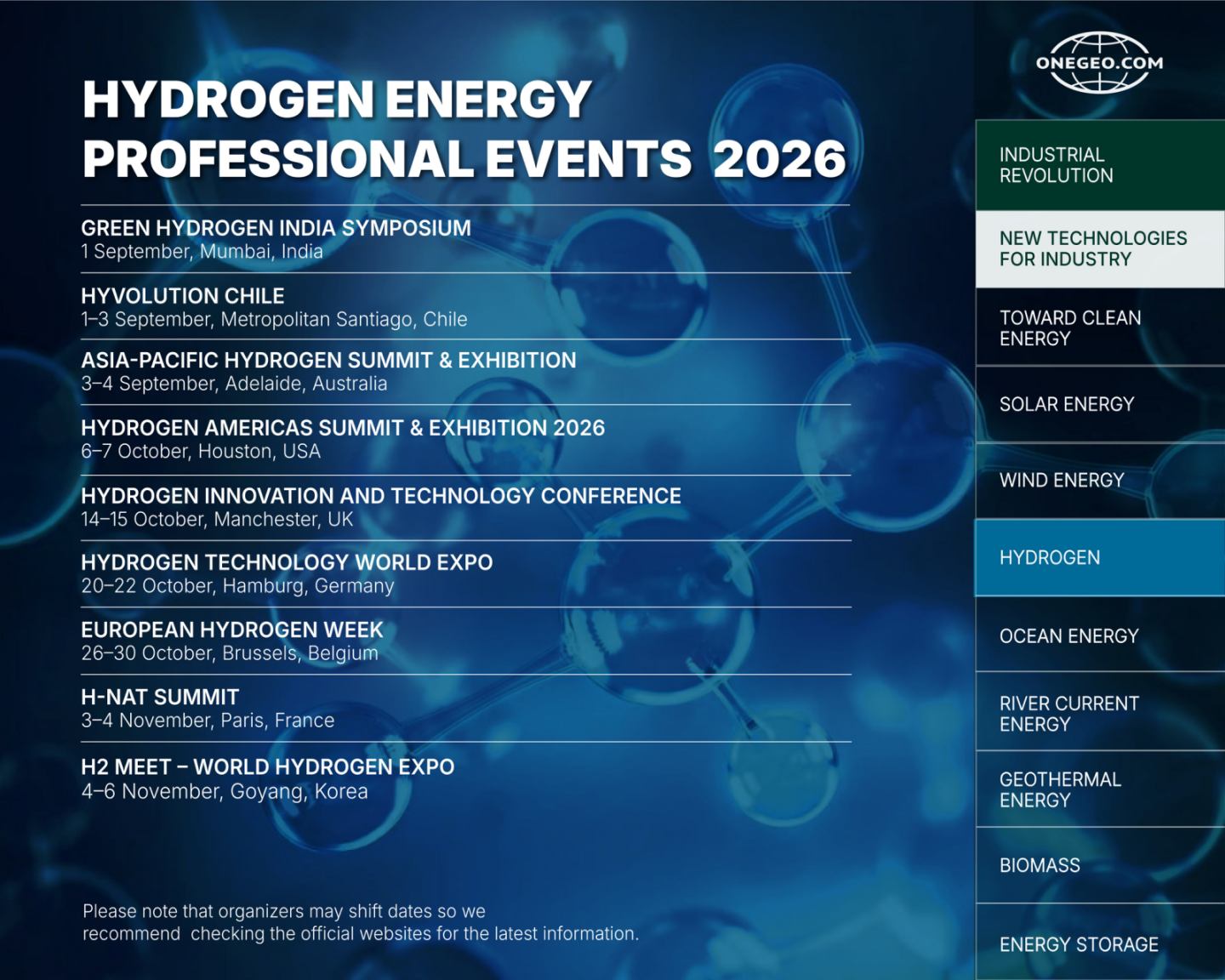
As the world accelerates its transition toward a low-carbon future, hydrogen is gaining recognition as a key energy carrier in achieving net-zero emissions by 2050. Although fossil fuels continue to dominate the global energy landscape, ongoing innovations in hydrogen production are paving the way for cleaner and more sustainable energy solutions.
Hydrogen offers significant potential to decarbonize multiple sectors, including power generation, heavy industry, heating, and transportation. By 2050, it is projected to supply up to 10% of global energy demand while cutting greenhouse gas (GHG) emissions by approximately 6%. Since hydrogen is an energy carrier rather than a primary energy source, it must be produced using resources such as natural gas, nuclear power, biomass, or renewable energy. Today, around 95% of global hydrogen production comes from natural gas through steam methane reforming. Depending on the production pathway, hydrogen is classified as grey (produced with associated GHG emissions), blue (produced with carbon capture and storage), or green (generated through water electrolysis powered by renewable electricity). Hydrogen can also be stored in several forms, including compressed gas, cryogenic liquid, or metal hydrides, and is typically kept in pressurized tanks or underground geological storage facilities for later use.
In the “Hydrogen” section on the ONEGEO.COM Global Digital Platform, you can explore the role of hydrogen in the global energy transition and its potential to decarbonize industries, power generation, heating, and transportation. The section examines hydrogen production pathways, including grey, blue, and green hydrogen, their environmental implications, storage and distribution technologies, key applications, and the challenges influencing large-scale adoption. It also highlights leading international events, research initiatives, cross-sector partnerships, and major organizations advancing the hydrogen economy worldwide. As a versatile energy carrier, hydrogen is expected to play a vital role in achieving net-zero emissions and building a cleaner, more resilient global energy system.
Please note that organizers may shift dates of the announced professional events, so we recommend checking the official websites for the latest information.